Thomas Goodwin vs. Michael Heiser

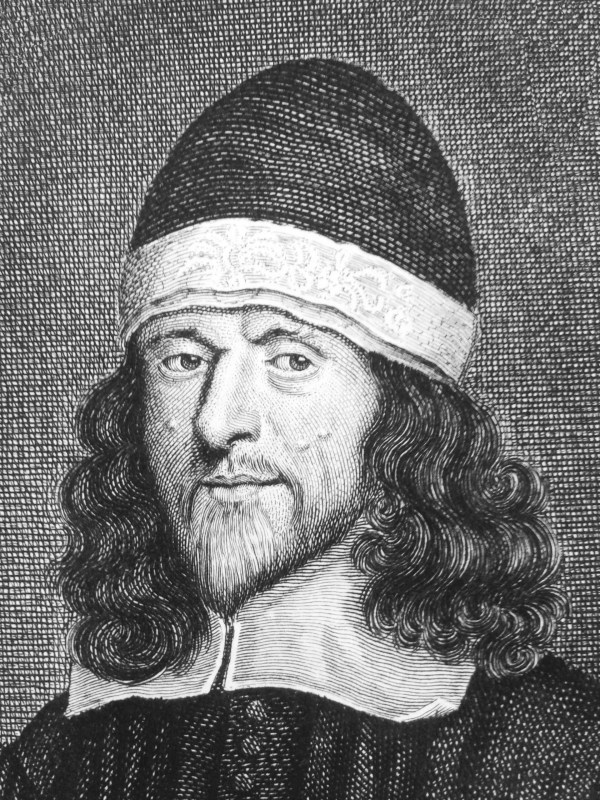
Jon Moffitt from the Theocast and Kingdoms Unveiled podcasts continues in his attempt to make Heiser's Divine Council view fit with Reformed theology, this time by quoting Westminster divine and Savoy Declaration co-author, Thomas Goodwin. I think we might be seeing this push among Reformed camps to legitimize Heiser's view because without it being found... Continue Reading →

Is Babel Where Nations Began?

Introduction Stephen Wolfe presented a detailed case for why a nation should point itself to the earthly and heavenly good of its people in his book, The Case for Christian Nationalism. While a nation should be ensuring the earthly good of its people, it has no place directing its people toward heavenly good as we... Continue Reading →

Milne and Textual Conjectures by Calvin

The topic of the preservation of Scripture is a hot topic among the Reformed. Books are written, podcasts made, and articles posted (including this one!).  Garnet Howard Milne wrote a book on what the purity of the text of Scripture meant according to the Reformed called, ‘Has the Bible been kept pure? The Westminster Confession... Continue Reading →

The Nature of Sin and Pagans

I'd like to thank the Particular Baptist team for the review of the article and edits. Introduction A doctrine that is a core tenant of “Calvinists” is the “T” in TULIP: Total Depravity. This so-called acronym is nowhere found in the high Reformed or even among Calvin’s known writings but is a summary of certain... Continue Reading →

Worldliness and the Christian

This article is an adaptation from a lesson given on Daniel chapter 1 by Daniel Vincent found here. Thanks to Andrew Warrick for his review and edits. As for these four young men, God gave them knowledge and skill in all literature and wisdom; and Daniel had understanding in all visions and dreams. Daniel 1:17... Continue Reading →

Does God Repent?

…catholic accounts of God's perfections have stressed that God's repentance signals that God is working a change in the course of history. The early Reformed theologian Amandus Polanus, for example, writes that divine repentance is not a divine "perturbation" or "change of counsel" but rather a "change of works." In fact, because God's counsel already... Continue Reading →

Website Powered by WordPress.com.

Up ↑